Personal Growth Mindset | Psychology & Practical Tips

Understanding Personal Growth Mindset
A personal growth mindset is the belief that your abilities, intelligence, and qualities can be developed through dedication and hard work. Rather than viewing yourself as fixed, someone with a personal growth mindset sees challenges as opportunities to evolve and improve. This fundamental shift in perspective transforms how you approach obstacles, learning, and personal development.
The concept of personal growth mindset builds on decades of psychological research showing that how we think about ourselves directly influences our behavior and outcomes. When you embrace this mindset, you move away from the need to prove yourself and toward the desire to improve yourself. This creates a powerful foundation for lasting change and achievement.
Developing a personal growth mindset isn't about positive thinking alone—it's about understanding that effort, strategy, and feedback are the pathways to mastery. Your talents and abilities are starting points, not endpoints. This realization liberates you to pursue meaningful goals without the paralyzing fear of failure.
- Believe abilities can be developed through effort and practice
- View challenges as opportunities for learning and growth
- Embrace feedback as valuable information for improvement
- See effort as the path to mastery, not a sign of inadequacy
- Learn from others' success rather than feeling threatened by it
The Psychology Behind Growth Mindset
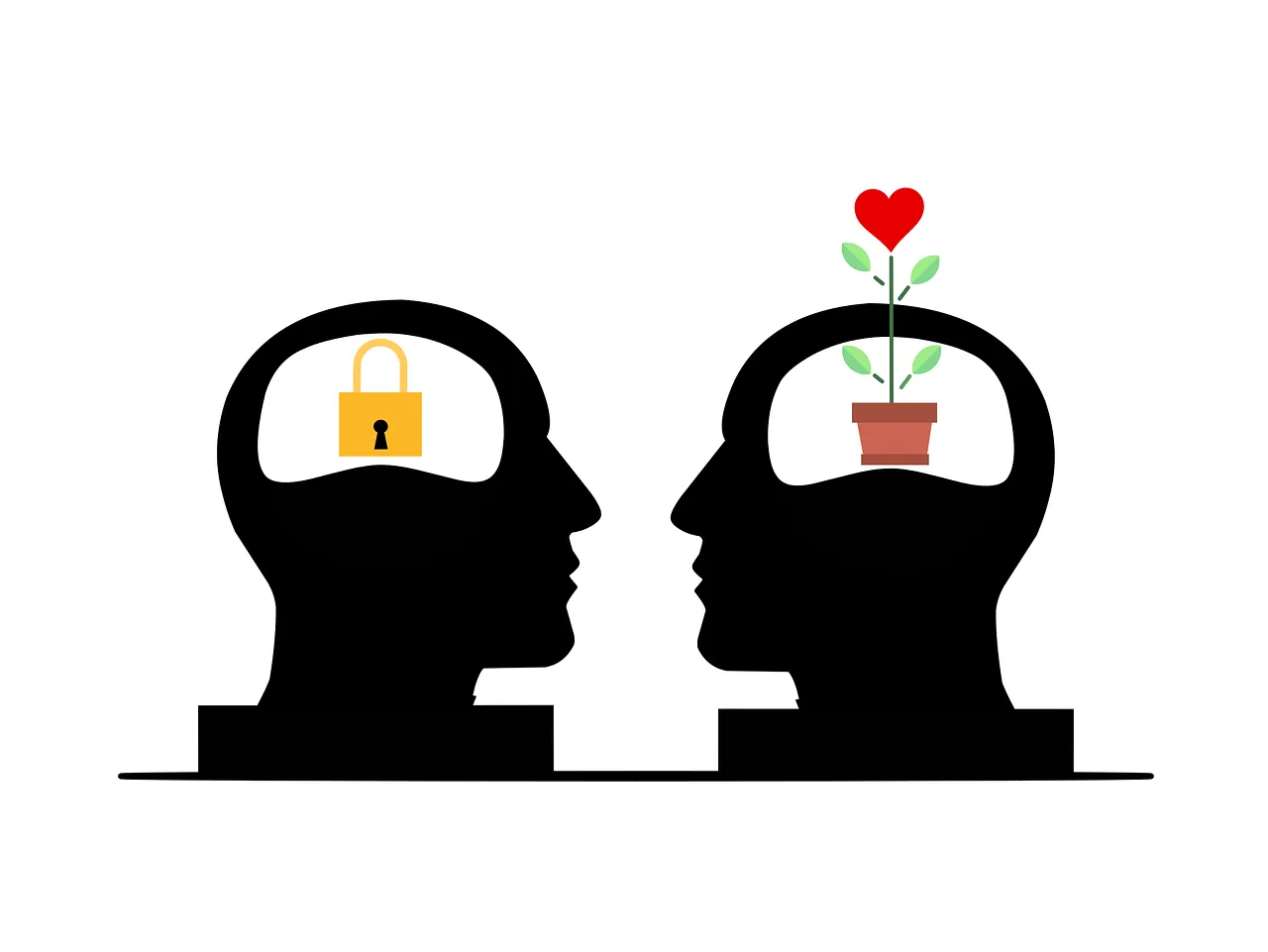
Psychologist Carol Dweck's groundbreaking research revealed that people operate from one of two mindsets: fixed or growth. A fixed mindset assumes your traits are unchangeable—you're either good at something or you're not. A growth mindset, by contrast, recognizes that intelligence and ability are malleable and can be developed.
The brain's neuroplasticity—its ability to form new neural connections throughout life—proves that a personal growth mindset is scientifically valid. When you engage in consistent learning and practice, you literally reshape your brain's structure and capabilities. This isn't metaphorical; it's neurological reality.
People with a personal growth mindset show different brain activity patterns when facing challenges compared to those with fixed mindsets. Rather than triggering a threat response, challenges activate motivation and learning centers in the brain. This physiological difference explains why growth-minded individuals persevere through difficulties while others give up.
- Neuroplasticity allows your brain to develop new capabilities at any age
- Challenging experiences create new neural pathways and strengthen existing ones
- Growth mindset activates motivation centers rather than threat responses
- Effort produces tangible changes in brain structure and function
- Learning is a biological process that supports a personal growth mindset
How Beliefs Shape Behavior
Your beliefs directly influence the goals you set, the effort you invest, and how you respond to setbacks. Someone with a fixed mindset might avoid challenging tasks to protect their self-image, while someone with a personal growth mindset views these same tasks as essential for development. This behavioral difference compounds over time, creating vastly different life trajectories.
Research shows that simply teaching people about neuroplasticity can shift their mindset and improve performance. When students understand that intelligence isn't fixed, they engage more deeply with difficult material and show greater improvement. Your beliefs become a self-fulfilling prophecy—expect to grow and you will; expect to remain static and you likely will.
Developing Your Personal Growth Mindset
Building a personal growth mindset requires intentional practice and consistent effort. Start by examining your current self-talk and identifying fixed mindset patterns like "I'm not a math person" or "I can't do public speaking." These limiting beliefs are obstacles you can dismantle through awareness and practice.
One of the most effective ways to cultivate a personal growth mindset is to reframe challenges as learning opportunities. When facing a difficult project or skill, ask yourself: "What can I learn from this?" rather than "Can I succeed at this?" This subtle shift redirects your focus from proving your worth to developing your capabilities.
Embrace the power of "yet"—a single word that transforms fixed mindset statements. Instead of saying "I don't understand this," say "I don't understand this yet." This simple addition acknowledges that understanding is possible with time and effort. The word "yet" becomes a powerful ally in building your personal growth mindset.
- Track your self-talk and challenge limiting beliefs daily
- Replace "I can't" with "I can't yet" and mean it
- Seek out challenges slightly beyond your current abilities
- Focus on progress and improvement rather than innate talent
- Celebrate effort and strategy, not just successful outcomes
Building Habits for Continuous Learning
A personal growth mindset flourishes when supported by consistent learning habits. Dedicate time each week to developing skills in areas that matter to you, whether through reading, courses, practice, or mentorship. Small, regular investments in learning compound into significant capability over months and years.
Make learning social by finding partners or communities focused on growth in your areas of interest. Discussing ideas, sharing struggles, and celebrating progress with others accelerates your development and keeps you motivated. A personal growth mindset thrives in environments where learning is valued and vulnerability is safe.
- Schedule dedicated time for learning and skill development weekly
- Join communities or find accountability partners in areas you want to grow
- Document your progress to see improvement over time
- Experiment with different learning strategies to find what works for you
- Read widely to expose yourself to new ideas and perspectives
Overcoming Obstacles to Growth
Every person with a personal growth mindset encounters obstacles—fixed mindset thinking doesn't disappear overnight. You'll face moments of self-doubt, fear of failure, and the temptation to give up when progress is slow. Recognizing these moments as normal parts of the journey helps you move through them rather than being derailed by them.
Fear of failure is one of the biggest obstacles to developing a personal growth mindset. Many people equate failure with personal inadequacy rather than seeing it as necessary feedback. Reframe failure as data: what did this experience teach you about your approach, your strategy, or the task itself?
Perfectionism can also undermine a personal growth mindset by creating unrealistic expectations and paralyzing you with fear of making mistakes. Remember that mastery comes through imperfect practice, not perfect performance. Every expert was once a beginner who made countless mistakes along the way.
- Identify your specific fixed mindset triggers and develop counter-statements
- View failure as information, not judgment of your worth
- Practice self-compassion when facing difficulties or setbacks
- Release perfectionism in favor of progress and learning
- Remember that struggle is evidence that your brain is growing
Managing Self-Doubt
Self-doubt is a companion to growth; you'll often feel uncertain when developing new capabilities. The difference between someone with a personal growth mindset and someone without is how they respond to doubt. Growth-minded individuals take action despite uncertainty, knowing that confidence follows competence, not vice versa.
When self-doubt appears, get curious rather than defensive. Ask yourself: What skill am I lacking? What knowledge do I need? How can I build competence in this area? These questions transform doubt from a paralyzing emotion into a roadmap for development.
Building Resilience Through Growth Mindset
Resilience—the ability to bounce back from setbacks—is inseparable from a personal growth mindset. When you believe your capabilities can develop, setbacks don't define you; they redirect you. You become more willing to take risks, try new approaches, and persist through difficulties because you're not protecting a fixed identity.
People with a personal growth mindset develop stronger resilience because they have a tool for meaning-making during adversity. Challenges aren't threats to avoid; they're opportunities to strengthen your capabilities and character. This perspective doesn't eliminate the pain of setbacks, but it adds purpose and direction to recovery.
Building resilience through a personal growth mindset involves practicing what researchers call "post-traumatic growth"—finding meaning and learning in difficult experiences. This doesn't mean the difficulty was "good"; it means you consciously extract lessons and use them to strengthen yourself and help others facing similar challenges.
- View setbacks as temporary and changeable, not permanent
- Extract lessons from every difficulty and failure
- Build a support network that reinforces growth thinking
- Practice self-talk that acknowledges struggle while affirming capability
- Use adversity as a catalyst for developing new strengths
The Role of Persistence
Persistence is the natural outgrowth of a personal growth mindset. When you believe improvement is possible through effort, you're more likely to persist through challenges that would otherwise defeat you. History shows that nearly every achievement worth celebrating was preceded by multiple failures and attempts.
Develop persistence by starting small and building confidence through repeated success. Each time you persist and achieve a goal, no matter how small, you strengthen your personal growth mindset and your capacity for future persistence. These small victories are the building blocks of extraordinary achievement.
Key Takeaways
- A personal growth mindset is the belief that your abilities can be developed through effort, learning, and dedication rather than being fixed traits you're born with
- Neuroscience confirms that your brain's structure and capabilities change with practice and learning, validating the psychological foundation of growth thinking
- Reframe challenges, failures, and self-doubt as opportunities for learning and development rather than threats to your identity or worth
- Build consistent learning habits, seek feedback, embrace effort, and surround yourself with people and communities that value growth to strengthen your personal growth mindset
- Resilience and meaningful achievement flow naturally from adopting a personal growth mindset, as you learn to extract lessons from setbacks and persist toward your goals
Frequently Asked Questions
What is a personal growth mindset?
How is a personal growth mindset different from a growth mindset?
Can adults actually develop a growth mindset, or is it set by childhood?
What are the daily habits that build a personal growth mindset?
How long does it take to develop a growth mindset?
What's the biggest obstacle to developing a personal growth mindset?
Can a personal growth mindset hurt you?
What books best teach a personal growth mindset?
Stay Inspired
Get a daily dose of positivity delivered to your inbox.