Greece Uses Satellites to Detect Wildfires Before They Spread
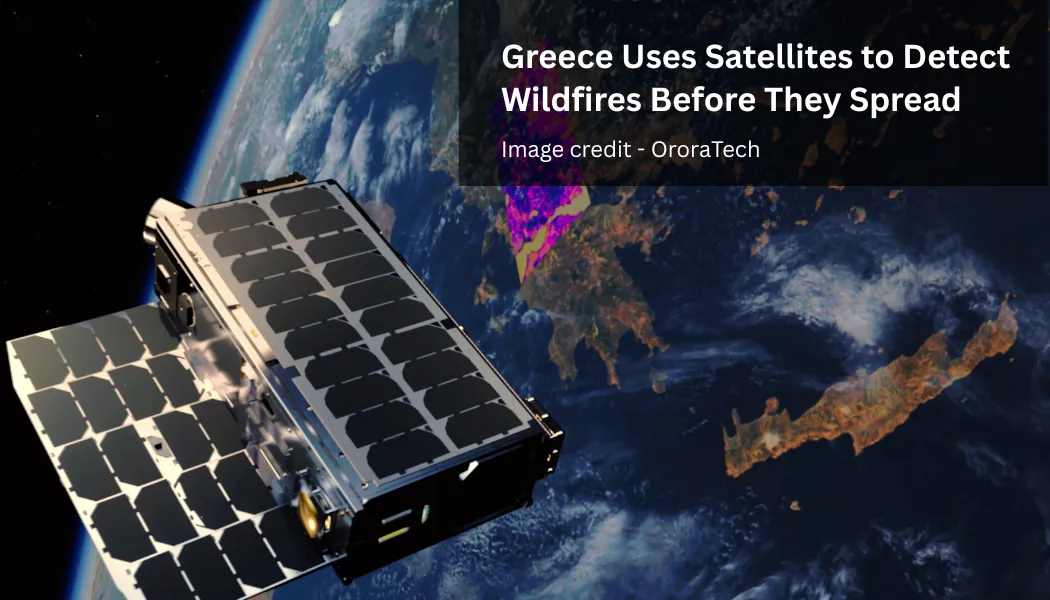
Greece is embracing cutting-edge technology in its fight against wildfires by using satellites to detect fires in their earliest stages. The innovative system enables authorities to identify potential wildfire hotspots more quickly, allowing emergency teams to respond before small fires grow into large-scale disasters.
As climate change increases the frequency and intensity of wildfires in many parts of the world, early detection has become more important than ever. By combining satellite imagery, artificial intelligence, weather data, and real-time monitoring, Greece is strengthening its ability to protect forests, wildlife, and local communities.
The initiative is a powerful example of how technology can support environmental protection while improving public safety.
Why Early Detection Matters
Wildfires can spread rapidly, especially during hot, dry, and windy conditions. A fire that begins as a small spark can grow into a major emergency within minutes if it is not detected quickly.
Traditional methods of spotting fires often rely on reports from local residents, lookout towers, or patrol teams. While these approaches remain valuable, they may not always identify fires in remote or difficult-to-access areas.
Satellite technology offers a significant advantage by continuously monitoring large regions from space, making it possible to detect unusual heat signatures and smoke much earlier.
The sooner a wildfire is discovered, the greater the chance of containing it before it causes widespread damage.
How the Satellite System Works
The wildfire detection system uses Earth-observing satellites to monitor forests and landscapes throughout the day. These satellites capture high-resolution images and thermal data that reveal changes in temperature and identify potential fire outbreaks.
The information is combined with weather forecasts, wind conditions, humidity levels, and vegetation data to help emergency services assess wildfire risks in real time.
Artificial intelligence and advanced analytics process the incoming data, allowing authorities to prioritize areas that require immediate attention.
When the system detects signs of a possible wildfire, emergency responders can investigate quickly and, if necessary, deploy firefighting teams before the fire spreads.
Protecting Nature and Wildlife
Early wildfire detection benefits far more than forests alone.
Healthy forests provide homes for countless plant and animal species, store carbon, protect water resources, and support local ecosystems. Preventing large fires helps preserve biodiversity and reduces the loss of valuable natural habitats.
Wildlife also benefits from quicker emergency responses, as smaller fires are less likely to destroy nesting areas, migration routes, and food sources.
By protecting natural landscapes, Greece is helping safeguard the rich biodiversity that makes its forests so valuable.
Keeping Communities Safer
The satellite monitoring system also strengthens public safety.
Earlier warnings provide emergency services with valuable time to organize firefighting operations, issue evacuation alerts when necessary, and protect homes and critical infrastructure.
Reducing the size and intensity of wildfires can lessen property damage, improve firefighter safety, and minimize disruptions to local communities.
The technology supports faster, more informed decision-making during emergency situations, making disaster response more effective.
Innovation for a Changing Climate
As weather patterns become more unpredictable, countries around the world are investing in smarter approaches to wildfire prevention.
Satellite monitoring, artificial intelligence, drones, and predictive modeling are becoming important tools for improving emergency preparedness and reducing environmental risks.
Greece's adoption of these technologies demonstrates how innovation can complement traditional firefighting methods, creating a more proactive approach to wildfire management.
The project also highlights the growing role of space technology in solving real-world environmental challenges.
Inspiring Global Action
The success of satellite-based wildfire detection may encourage other countries to adopt similar systems.
Many regions vulnerable to wildfires are already exploring advanced monitoring technologies to improve early warning capabilities and strengthen climate resilience.
Sharing knowledge and technological innovations across borders can help create more effective strategies for protecting ecosystems and communities worldwide.
As these systems continue to evolve, they may become an essential part of global wildfire prevention efforts.
The Positive Takeaway
Greece's use of satellites to detect wildfires before they spread shows how science and technology can help protect both people and nature. By identifying fires earlier, the country is reducing risks, preserving forests, safeguarding wildlife, and improving emergency response. It is an inspiring example of how innovation can create practical solutions for a safer and more sustainable future.
Stay Inspired
Get a daily dose of positivity delivered to your inbox.