First Fully Electric Container Ship Sets Sail
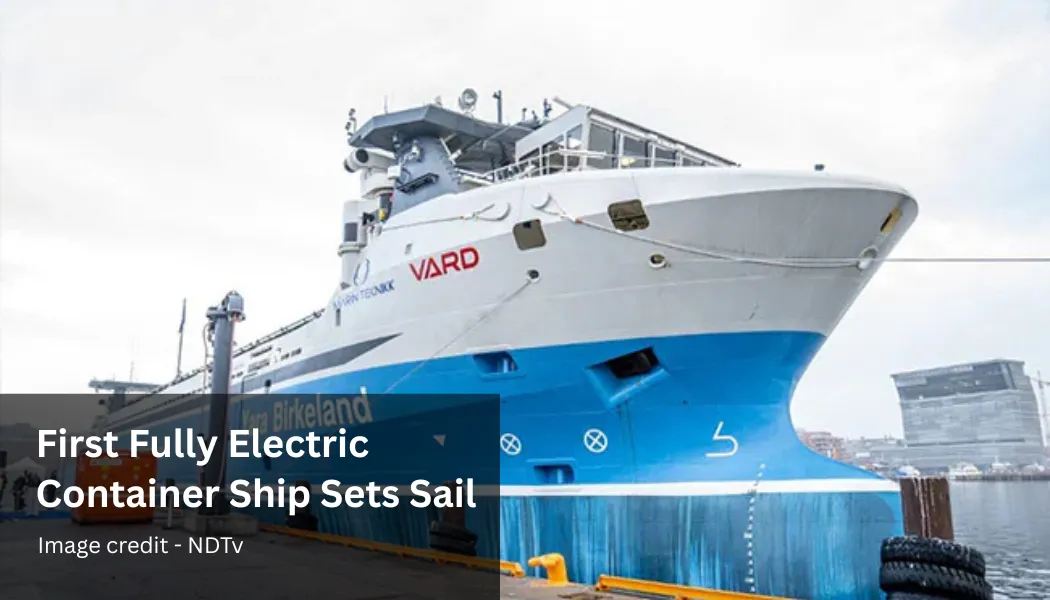
In a groundbreaking moment for global shipping, the world’s first fully electric container ship has officially set sail — marking a major step toward cleaner, more sustainable maritime transport. As industries worldwide work to reduce emissions, this innovation shows that even one of the most fuel-intensive sectors can begin transitioning to a greener future.
This milestone signals not just technological progress, but a shift in how goods may be transported across waterways in the years to come.
A New Chapter in Maritime Innovation
The launch of a fully electric container ship represents a significant departure from traditional cargo vessels.
Conventional ships typically rely on heavy fuel oil or diesel, contributing to:
Greenhouse gas emissions
Air pollution
Ocean contamination risks
The new electric vessel eliminates these issues during operation by running entirely on battery power.
Projects like this are being driven by forward-thinking companies such as Yara International, which has been involved in developing zero-emission shipping solutions.
How an Electric Container Ship Works
Unlike traditional ships, electric container vessels use:
Large battery packs to store energy
Electric propulsion systems
Charging infrastructure at ports
The ship is charged using electricity, ideally generated from renewable sources, allowing it to operate without emitting carbon dioxide or other pollutants during its journey.
This technology is particularly effective for:
Short-distance shipping routes
Coastal transport
Inland waterways
Environmental Benefits
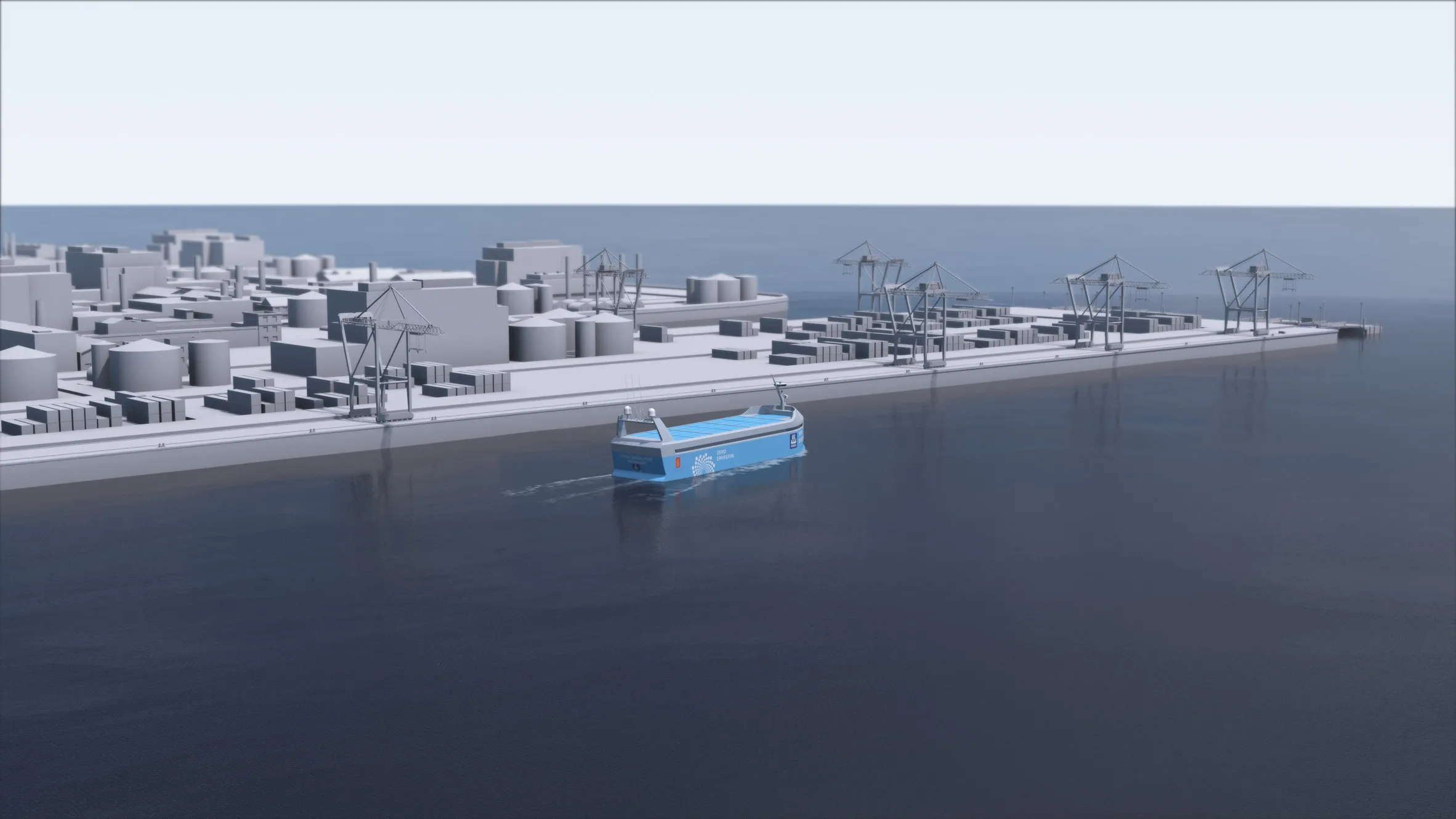
credit - Dezeen
The shift to electric shipping offers multiple environmental advantages.
Zero Emissions During Operation
Electric ships produce no exhaust emissions, significantly reducing their environmental impact.
Cleaner Air and Water
Without fuel combustion, there is no release of harmful pollutants into the air or risk of oil spills.
Reduced Noise Pollution
Electric propulsion systems are quieter, benefiting marine life and coastal communities.
These benefits align with global sustainability goals supported by organizations like the International Maritime Organization.
Transforming Short-Distance Shipping
While long-distance ocean shipping still faces technological challenges, electric ships are already proving effective for shorter routes.
They can be used for:
Transporting goods between nearby ports
Moving cargo along rivers and canals
Supporting regional logistics networks
By electrifying these routes, a significant portion of shipping emissions can be reduced.
Economic and Operational Advantages
Electric container ships also offer practical benefits.
Lower Operating Costs
Electricity can be cheaper than fossil fuels over time.
Reduced Maintenance
Fewer moving parts mean less wear and tear.
Automation Potential
Some electric ships are designed with autonomous capabilities, improving efficiency.
These factors make electric shipping not only environmentally friendly but also economically viable in the long run.
Challenges to Overcome
Despite its promise, electric shipping still faces several challenges:
Limited battery capacity for long-distance travel
High upfront development and infrastructure costs
Need for widespread charging facilities at ports
However, rapid advancements in battery technology and renewable energy are helping address these issues.
A Step Toward Decarbonizing Shipping
The shipping industry is responsible for a significant share of global emissions.
Innovations like fully electric container ships are essential for reducing this impact.
Countries like Norway are leading the way by supporting green shipping initiatives and investing in clean maritime technologies.
A Glimpse Into the Future
The launch of the first fully electric container ship is just the beginning.
As technology improves, we can expect:
Larger electric vessels
Longer travel ranges
Integration with renewable energy systems
Expansion of zero-emission shipping networks
This transformation could reshape global trade in a more sustainable way.
Final Thoughts
The successful launch of the first fully electric container ship marks a turning point for the maritime industry.
By proving that cargo transport can be emission-free, this innovation opens the door to a cleaner future for global shipping.
With continued investment and collaboration, electric vessels could become a common sight on waterways around the world.
Because the future of transport isn’t just faster or bigger — it’s cleaner, quieter, and smarter.
Stay Inspired
Get a daily dose of positivity delivered to your inbox.