How Spices and Herbs Can Improve Health Beyond Taste
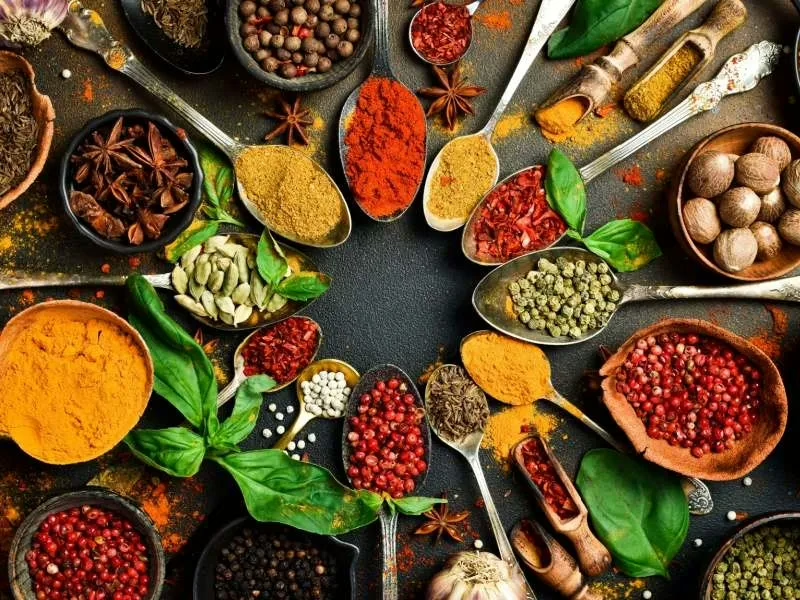
For centuries, spices and herbs have been treasured for their ability to transform simple food into something comforting, exciting, or deeply familiar. A pinch of turmeric can turn a dish golden, basil can bring summer to a plate, and cinnamon can make even the plainest meal feel warm and inviting.
For centuries, spices and herbs have been treasured for their ability to transform simple food into something comforting, exciting, or deeply familiar. A pinch of turmeric can turn a dish golden, basil can bring summer to a plate, and cinnamon can make even the plainest meal feel warm and inviting.
But long before they became kitchen staples, spices and herbs were valued for something far greater than flavor.
Across ancient cultures—from Ayurveda in India to Traditional Chinese Medicine and ancient Mediterranean healing—herbs and spices were considered powerful tools for supporting the body, mind, and spirit. Modern science is now catching up to what these traditions have known all along: spices and herbs don’t just enhance taste; they actively support health in remarkable ways.
They can reduce inflammation, strengthen immunity, aid digestion, balance blood sugar, protect the heart, and even support mental well-being. And unlike many health trends, these benefits don’t require expensive supplements or complicated routines. They often start right in your kitchen.
Let’s explore how spices and herbs work beyond taste—and how you can use them gently, intentionally, and joyfully to support your overall well-being.
- Spices and Herbs: Nature’s Quiet Healers
- Reducing Inflammation Naturally
- Supporting Digestive Health
- Boosting Immunity Naturally
- Supporting Heart Health
- Balancing Blood Sugar
- Supporting Brain Health and Mental Clarity
- Mood, Stress, and Emotional Well-Being
- Antioxidant Powerhouses
- Weight Management and Metabolism
- Traditional Wisdom Meets Modern Science
- How to Use Spices and Herbs Intentionally
- A Gentle Reminder
- The Bigger Picture: Food as a Form of Care
Spices and Herbs: Nature’s Quiet Healers
Before diving into individual benefits, it’s helpful to understand why herbs and spices are so powerful.
Plants produce natural compounds—called phytochemicals—to protect themselves from pests, disease, and environmental stress. When we consume these plants, many of those protective compounds work in our bodies too.
Spices and herbs are especially rich in:
- Antioxidants that fight oxidative stress
- Anti-inflammatory compounds that calm the body
- Essential oils that influence digestion and mood
- Polyphenols that support cellular health
Because spices are often used in small amounts, their power is easy to underestimate. But ounce for ounce, many spices contain more antioxidants than fruits and vegetables.
In other words, small sprinkles can have a big impact.
Reducing Inflammation Naturally
Chronic inflammation is linked to many modern health concerns, including heart disease, diabetes, arthritis, and autoimmune conditions. While inflammation is part of the body’s natural defense system, long-term inflammation can quietly wear the body down.
Many spices and herbs act as natural anti-inflammatory agents.
Turmeric: The Golden Standard
Turmeric contains curcumin, one of the most studied anti-inflammatory compounds in the world. Research suggests curcumin may help:
- Reduce joint pain and stiffness
- Support brain health
- Protect against chronic inflammatory diseases
Traditionally, turmeric is consumed with black pepper, which increases curcumin absorption significantly.
Ginger: Gentle Yet Powerful
Ginger has been used for thousands of years to reduce pain and inflammation. It may help with:
- Muscle soreness
- Menstrual discomfort
- Digestive inflammation
Fresh ginger tea is a simple, soothing way to experience its benefits.
Cinnamon and Cloves
Both are rich in anti-inflammatory antioxidants and may help regulate blood sugar while calming internal inflammation.
Supporting Digestive Health
Digestive health is central to overall well-being. When digestion is sluggish or irritated, it affects energy, immunity, mood, and nutrient absorption.
Many herbs and spices gently support digestion without harsh effects.
Fennel and Cumin
Often used after meals in many cultures, fennel and cumin can help:
- Reduce bloating and gas
- Stimulate digestive enzymes
- Ease stomach discomfort
Chewing fennel seeds after meals is a long-standing digestive ritual in parts of India.
Peppermint
Peppermint relaxes digestive muscles and may help with:
- Indigestion
- Irritable bowel symptoms
- Nausea
Peppermint tea is especially helpful after heavy meals.
Cardamom
Known as the “queen of spices,” cardamom supports digestion while also offering a calming, uplifting aroma.
Boosting Immunity Naturally
Spices and herbs have long been used to help the body resist illness and recover more quickly.
Garlic: A Natural Defender
Garlic contains allicin, a compound known for its antimicrobial properties. Regular garlic consumption may help:
- Strengthen immune response
- Reduce the severity of colds
- Support heart health
Raw garlic offers the strongest effects, but cooked garlic still provides benefits.
Oregano and Thyme
These herbs contain essential oils with antibacterial and antiviral properties. Traditionally, they’ve been used to support respiratory health and fight infections.
Echinacea and Tulsi (Holy Basil)
Tulsi, revered in Ayurveda, is known for its immune-modulating and stress-reducing properties. It helps the body adapt to physical and emotional stress while supporting immune balance.
Supporting Heart Health
Heart health isn’t just about cholesterol numbers—it’s about circulation, inflammation, and blood vessel function. Many herbs and spices support cardiovascular wellness naturally.
Cinnamon
Cinnamon may help:
- Regulate blood sugar
- Reduce LDL (“bad”) cholesterol
- Improve circulation
Cayenne Pepper
Cayenne contains capsaicin, which may support:
- Healthy blood flow
- Reduced plaque buildup
- Improved metabolism
A small amount goes a long way.
Rosemary
Rosemary supports circulation and may help protect blood vessels from oxidative stress.
Balancing Blood Sugar
Stable blood sugar levels are essential for sustained energy, mood stability, and long-term metabolic health.

Certain spices can gently improve insulin sensitivity and glucose regulation.
Cinnamon and Fenugreek
Fenugreek seeds have been traditionally used to help balance blood sugar levels. Cinnamon may slow the breakdown of carbohydrates, reducing blood sugar spikes.
Turmeric
Curcumin may support pancreatic function and insulin sensitivity when used consistently.
Supporting Brain Health and Mental Clarity
What we eat directly affects the brain. Many spices contain compounds that protect cognitive function and support mental well-being.
Sage
Sage has been associated with improved memory and focus. Historically, it was considered a brain tonic.
Turmeric and Rosemary
Both may help protect against neuroinflammation and oxidative stress, which are linked to cognitive decline.
Nutmeg (in small amounts)
Nutmeg has traditionally been used to calm the nervous system and promote restful sleep.
Mood, Stress, and Emotional Well-Being
Spices don’t just affect the body—they influence the nervous system too.
Saffron
Often called the “sunshine spice,” saffron has been studied for its potential antidepressant effects. Even small amounts may support emotional balance.
Ashwagandha
Though technically an herb rather than a spice, ashwagandha is widely used to reduce stress, support adrenal health, and promote calm resilience.
Basil and Tulsi
Both are known for their uplifting, grounding effects and may help the body manage stress more gracefully.
Antioxidant Powerhouses
Oxidative stress accelerates aging and contributes to chronic disease. Many spices are antioxidant powerhouses.
Some of the richest sources include:
- Cloves
- Cinnamon
- Oregano
- Turmeric
- Ginger
Adding a variety of spices ensures a broader range of protective compounds.
Weight Management and Metabolism
While no spice is a magic solution, some can support metabolism and appetite awareness.
Ginger and Cayenne
These may slightly increase thermogenesis (heat production), supporting metabolic function.
Mindful Flavoring
Spices enhance satisfaction. When food is flavorful, people often feel more satisfied with smaller portions.
Traditional Wisdom Meets Modern Science
What’s fascinating is how modern research continues to validate ancient wisdom.

Traditional healing systems didn’t separate food and medicine—they understood nourishment as a whole experience. Spices were added not only for taste but for balance, digestion, and harmony within the body.
Today, science confirms that many traditional practices were deeply intuitive and biologically sound.
How to Use Spices and Herbs Intentionally
You don’t need to overhaul your diet to benefit from spices. Small, consistent changes matter most.
Simple Ways to Start
- Add turmeric and black pepper to soups or rice
- Brew ginger or tulsi tea in the evening
- Sprinkle cinnamon on fruit or oatmeal
- Cook with garlic, cumin, and coriander regularly
Quality Matters
Choose fresh, high-quality spices when possible. Old, stale spices lose potency over time.
Balance Over Excess
More isn’t always better. Many spices are powerful and work best in moderation.
A Gentle Reminder
Spices and herbs support health—but they’re not replacements for medical care when needed. They work best as part of a balanced lifestyle that includes nourishing food, rest, movement, and emotional care.
Think of them as daily allies, quietly supporting your body in small but meaningful ways.
The Bigger Picture: Food as a Form of Care
When you season your food with intention, you’re doing more than cooking—you’re practicing self-care.
Each spice carries a story of tradition, healing, and connection. By welcoming them into your meals, you reconnect with an ancient rhythm of nourishment that honors both pleasure and health.
In a world that often seeks quick fixes, spices remind us that healing doesn’t always arrive dramatically. Sometimes, it comes quietly—through warmth, aroma, and the simple act of caring for ourselves one meal at a time.
Final Thought
Spices and herbs prove that wellness doesn’t have to be complicated. It can be fragrant, flavorful, and deeply human.
And sometimes, the path to better health begins not in a pharmacy—but in the palm of your hand, holding a pinch of something powerful.
The Positivity Collective
The Positivity Collective is a dedicated group of curators and seekers committed to the art of evidence-based optimism. We believe that perspective is a skill, and our mission is to filter through the noise to bring you the most empowering wisdom for a vibrant life. While we are not clinical professionals, we are lifelong students of human growth, devoted to building this sanctuary for the world.