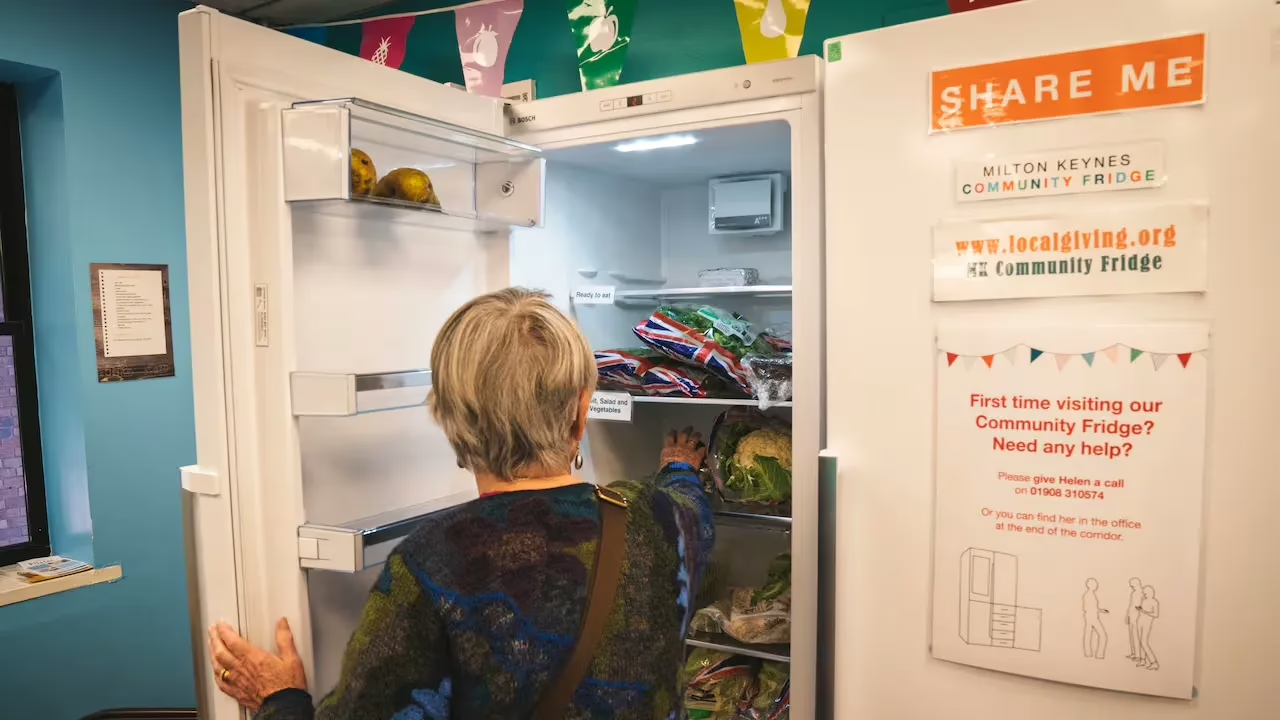
Community Fridges in the UK Are Helping Cut Food Waste and Support Neighbors
In a world where food waste and food insecurity exist side by side, it’s easy to feel discouraged. Perfectly good food is thrown away every day, while many families worry about their next meal. The problem feels big, complex, and overwhelming.
In a world where food waste and food insecurity exist side by side, it’s easy to feel discouraged. Perfectly good food is thrown away every day, while many families worry about their next meal. The problem feels big, complex, and overwhelming.
But across towns and cities in the United Kingdom, a simple idea is quietly changing lives.
They’re called community fridges—public refrigerators placed in accessible locations where anyone can leave surplus food or take what they need, no questions asked. These fridges are helping reduce food waste, support neighbors, and rebuild a sense of community—one shared shelf at a time.
What makes this story special isn’t just the food saved. It’s the kindness, trust, and human connection growing around these humble fridges.
- What Are Community Fridges?
- Why Food Waste Is a Growing Problem
- Turning Waste Into Opportunity
- A Lifeline for Neighbors in Need
- Breaking the Stigma Around Food Support
- Strengthening Community Bonds
- Local Businesses Join In
- Volunteers Make It Possible
- A Simple Model with Big Impact
- Environmental Benefits That Add Up
- Teaching Sustainable Habits
- Stories of Everyday Kindness
- A Culture of Trust
- Scaling Without Losing Soul
- Why This Matters Right Now
- More Than a Fridge—A Symbol
- Imagine a Future of Shared Care
- What We Can Learn from This Movement
What Are Community Fridges?
Community fridges are exactly what they sound like: shared refrigerators located in community centers, libraries, churches, schools, housing estates, and even outside cafés.
They are:
- Free to use
- Open to everyone
- Based on trust, not transactions
Anyone can contribute surplus food—fresh produce, packaged items, baked goods, or leftovers that meet safety guidelines. Anyone can take food if they need it.
No forms. No judgments. No explanations required.
Why Food Waste Is a Growing Problem
Food waste is one of the biggest environmental and social challenges of our time.
In the UK alone:
- Tons of edible food are discarded every year
- Households and businesses waste food due to overbuying, strict cosmetic standards, or expiration confusion
- Wasted food contributes to climate change through landfill emissions
At the same time, many people face:
- Rising living costs
- Food insecurity
- Limited access to nutritious meals
Community fridges step into this gap with a solution that is practical, local, and compassionate.
Turning Waste Into Opportunity
Instead of seeing surplus food as rubbish, community fridges treat it as a shared resource.
Food that might otherwise be thrown away—unsold bakery items, excess vegetables, surplus groceries—finds a second life nourishing someone else.
This approach:
- Reduces landfill waste
- Saves money for families
- Encourages mindful consumption
- Builds a culture of sharing
It’s sustainability with a human heart.
A Lifeline for Neighbors in Need
For many people, community fridges are more than a convenience—they’re a lifeline.
They support:
- Families struggling with rising food costs
- Students managing tight budgets
- Elderly residents on fixed incomes
- People facing temporary hardship
What makes community fridges different from traditional food aid is dignity.
There’s no application process, no labels, and no stigma. Everyone uses the fridge in the same way—whether donating or collecting.
Breaking the Stigma Around Food Support
One of the most powerful aspects of community fridges is how they normalize asking for help.
Because:
- Anyone can use them
- Contributors and recipients overlap
- The space feels communal, not charitable
People feel less shame and more belonging.
Someone might donate food one week and take food the next. Life changes—and the fridge is there, quietly supporting the flow.
Strengthening Community Bonds
Community fridges do more than redistribute food—they bring people together.
Around these fridges, communities are forming:
- Neighbors meet and talk while stocking shelves
- Volunteers organize cleaning and sorting
- Local businesses collaborate with residents
- Conversations spark between people who might never have met
The fridge becomes a gathering point—a place of shared responsibility and care.
Local Businesses Join In
Many cafés, bakeries, grocers, and restaurants now partner with community fridges by donating surplus food that is still perfectly good.
This helps businesses:
- Reduce waste disposal costs
- Meet sustainability goals
- Support their local community
Instead of excess food ending up in bins, it ends up feeding neighbors.
Volunteers Make It Possible
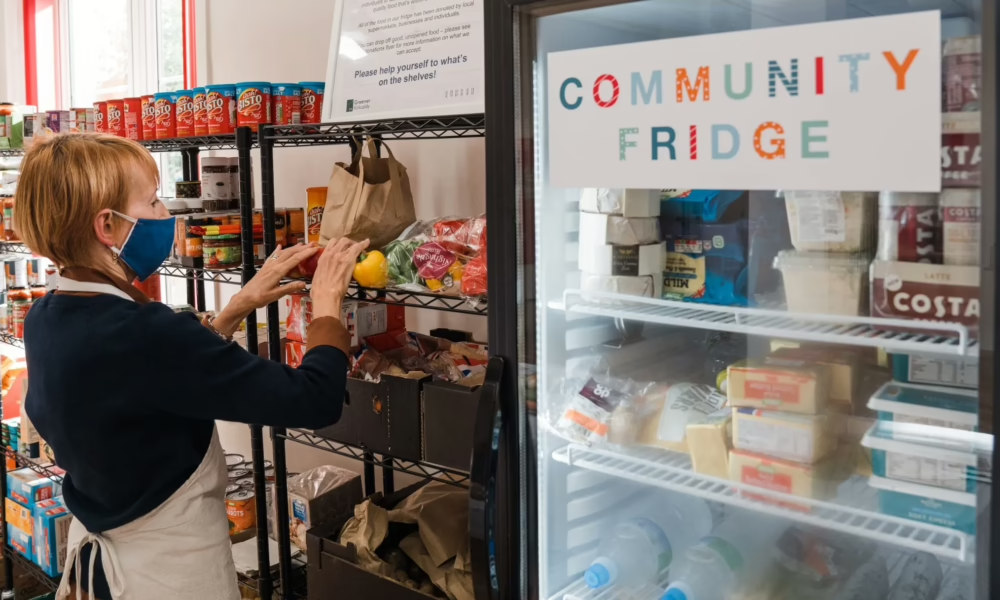
Behind every community fridge is a group of dedicated volunteers who:
- Monitor food safety
- Clean and organize the fridge
- Coordinate donations
- Spread awareness
Their work ensures the fridge remains:
- Safe
- Welcoming
- Reliable
These volunteers often describe their role as deeply rewarding—not just because they’re reducing waste, but because they’re helping people directly.
A Simple Model with Big Impact
What’s remarkable about community fridges is their simplicity.
They don’t require:
- Large funding
- Complex systems
- Bureaucratic oversight
All they need is:
- A fridge
- A location
- A group of people who care
From this small setup grows something powerful: shared responsibility for one another.
Environmental Benefits That Add Up
Food waste contributes significantly to greenhouse gas emissions. When food decomposes in landfills, it releases methane—a potent contributor to climate change.
Community fridges help by:
- Keeping food out of landfills
- Reducing unnecessary production
- Encouraging conscious consumption
Each saved loaf of bread, each rescued apple, is a small victory for the planet.
Teaching Sustainable Habits
Community fridges also act as quiet teachers.
They encourage people to:
- Rethink expiration labels
- Buy and cook more mindfully
- Share excess rather than discard
- Appreciate the value of food
Children who grow up seeing community fridges learn that sharing and sustainability are normal parts of life.
Stories of Everyday Kindness
Across the UK, stories continue to emerge:
- A single parent finding fresh vegetables during a tough month
- A retiree baking extra bread to stock the fridge
- A café donating pastries every evening
- A student volunteering to clean the fridge after classes
These small acts, repeated daily, create collective care.
A Culture of Trust
Perhaps the most beautiful part of community fridges is the trust they rely on.
There are no guards, no locks, no monitoring systems. The assumption is simple: people will do the right thing.
And overwhelmingly, they do.
This trust restores faith in humanity—something we all need more of.
Scaling Without Losing Soul
As community fridges spread across the UK, organizers are mindful of preserving their spirit.
The goal isn’t to industrialize kindness—but to replicate it while keeping it human.
Each fridge reflects its neighborhood:
- Different foods
- Different rhythms
- Different faces
Yet all share the same values: generosity, dignity, and sustainability.
Why This Matters Right Now
With rising living costs, environmental concerns, and social isolation, community fridges offer a rare combination of solutions.
They address:
- Hunger
- Waste
- Loneliness
- Environmental responsibility
All through one simple act: sharing food.
More Than a Fridge—A Symbol
A community fridge may look ordinary, but it represents something profound.
It says:
- You matter
- Your surplus can help someone else
- Asking for help is okay
- Community still exists
In a world often focused on individualism, community fridges quietly remind us that we are better together.
Imagine a Future of Shared Care
Imagine neighborhoods where:
- Food is shared, not wasted
- Help is available without shame
- Strangers look out for one another
- Sustainability feels natural, not forced
Community fridges offer a glimpse of that future—practical, compassionate, and achievable.
What We Can Learn from This Movement
This initiative teaches us:
- Big change can start small
- Solutions don’t always need complexity
- Trust builds stronger systems than control
- Kindness can be built into everyday life
Sometimes, hope doesn’t arrive loudly. Sometimes, it hums quietly behind a fridge door.
Community Fridges in the UK Are Helping Cut Food Waste and Support Neighbors
When communities share what they have, abundance replaces waste. Community fridges show how small, trust-based systems can reduce food waste while strengthening connection, dignity, and care among neighbors. If this story inspired you, here are a few uplifting reads that celebrate community action and everyday kindness:
- From Thirst to Thrive: How Clean Water Transformed Nyamahumba Village in Zimbabwe → A powerful reminder that access and sharing can transform entire communities.
- A Retired Social Worker Is Touring Canada Just to Listen—for Free → How simple acts of presence and care can restore dignity and human connection.
- A Kinder World: New Data Shows Compassion Still Trending Up → Encouraging evidence that collective kindness is quietly growing across the world.
Looking for Words That Celebrate Community, Sharing, and Compassion?
Kindness Quotes → A heartwarming collection of quotes that honor generosity, mutual support, and the power of neighbors helping neighbors.