Good health and well-being
In an era characterized by rapid technological advancement and increasing environmental stressors, the pursuit of good health and well-being has transitioned from a personal goal to a global imperative. The United Nations Sustainable Development Goal 3 (SDG 3) explicitly targets "Good Health and Well-being," recognizing that without physical and mental vitality, economic and social progress remains fragile. This guide explores the multifaceted nature of health, moving beyond the mere absence of disease to a state of complete physical, mental, and social harmony.
In an era characterized by rapid technological advancement and increasing environmental stressors, the pursuit of good health and well-being has transitioned from a personal goal to a global imperative. The United Nations Sustainable Development Goal 3 (SDG 3) explicitly targets “Good Health and Well-being,” recognizing that without physical and mental vitality, economic and social progress remains fragile.
This guide explores the multifaceted nature of health, moving beyond the mere absence of disease to a state of complete physical, mental, and social harmony. We will delve into the pillars of nutrition, the mechanics of physical resilience, the psychology of mental health, and the emerging science of longevity.
- Chapter 1: The Foundations of Physical Health
- Chapter 2: The Mental Health Revolution
- Chapter 3: Sleep—The Ultimate Biohack
- Chapter 4: Environmental and Social Well-being
- Chapter 5: Preventive Medicine and Longevity
- Chapter 6: Conclusion—The Holistic Integration
- Chapter 7: Deep Dive into Cellular Health
- Chapter 8: The Gut-Brain Axis
- Chapter 9: Metabolic Health—The Glucose Revolution
- Chapter 10: The Impact of Modern Technology
- Chapter 11: Summary Table of Wellness Pillars
- Chapter 12: Final Word—Consistency Over Intensity
- Chapter 13: The Endocrine System—The Body’s Chemical Command
- Chapter 14: The Science of Longevity—Medicine 3.0
- Chapter 15: The Lymphatic and Glymphatic Systems
- Chapter 16: Epigenetics—Overriding Your DNA
- Chapter 17: The Impact of Light on Human Biology
- Chapter 18: Psychological Well-being—The Power of Narrative
- Chapter 19: Environmental Health—The Exposome
- Chapter 20: Advanced Nutritional Protocols
- Chapter 21: Conclusion—The Sovereign of Your Health
Chapter 1: The Foundations of Physical Health
Physical health is the most visible dimension of well-being. It is the “hardware” upon which our entire life experience is run.
1.1 Nutritional Science: Fueling the Biological Engine
The adage “you are what you eat” is biologically literal. Every cell in your body is reconstructed from the nutrients you ingest.
- Macronutrient Balance: A healthy diet requires a calculated balance of carbohydrates for energy, proteins for cellular repair, and healthy fats for hormonal health.
- The Micronutrient Gap: Modern processed diets often lack essential vitamins and minerals. Focus on “Eating the Rainbow” to ensure a diverse intake of phytochemicals and antioxidants.
1.2 The Physiology of Movement
The human body was designed for motion. Sedentary lifestyles are now recognized as a primary driver of chronic metabolic conditions.
- Resistance Training: Essential for bone density and muscle mass, especially as we age.
- Cardiovascular Health: Activities that raise the heart rate improve the efficiency of the circulatory system and reduce the risk of heart disease.
Chapter 2: The Mental Health Revolution
For decades, good health and well-being focused primarily on the neck down. Today, we understand that mental health is the “software” that directs our physical reality.
2.1 Stress Management and the Nervous System
Chronic stress keeps the body in a state of “Sympathetic Nervous System” dominance—commonly known as the fight-or-flight response.
- Cortisol Regulation: Prolonged high levels of cortisol can lead to inflammation, weight gain, and weakened immunity.
- Mindfulness and Breathwork: Techniques like Box Breathing or meditation activate the Vagus nerve, triggering the “Parasympathetic” rest-and-digest response.
2.2 The Psychology of Resilience
Resilience is the ability to bounce back from adversity. It is built through cognitive behavioral strategies, social support networks, and a sense of purpose (Ikigai).
Chapter 3: Sleep—The Ultimate Biohack
Sleep is not a passive state of rest; it is an active period of neurological and physiological restoration. During sleep, the brain’s glymphatic system flushes out metabolic waste.
3.1 The Architecture of Sleep
A healthy sleep cycle consists of several stages, including Light Sleep, Deep Sleep (for physical repair), and REM (Rapid Eye Movement) sleep (for emotional processing).
- Circadian Rhythms: Our internal 24-hour clock is regulated by light exposure. Maintaining a consistent sleep-wake cycle is vital for hormonal balance.
Chapter 4: Environmental and Social Well-being
We do not exist in a vacuum. Our surroundings and our relationships play a decisive role in our health outcomes.
4.1 The Power of Community
Loneliness has been equated to the health risks of smoking 15 cigarettes a day. Social connection provides an “oxytocin buffer” against life’s stressors.
4.2 Environmental Toxins and Nature
Exposure to “Blue Spaces” (water) and “Green Spaces” (forests) has been shown to lower blood pressure and improve mental clarity. Conversely, awareness of air quality and microplastics is becoming a necessary part of modern health maintenance.
Chapter 5: Preventive Medicine and Longevity
The future of good health and well-being lies in “Medicine 3.0″—the shift from reactive treatment to proactive prevention.
5.1 Routine Screenings and Biomarkers
Regular blood panels, blood pressure monitoring, and metabolic testing allow individuals to catch “silent killers” like hypertension or insulin resistance before they manifest as crises.
5.2 The Science of Longevity
Emerging research into Sirtuins, Telomeres, and Autophagy (cellular cleanup) suggests that we can not only extend our lifespan but also our “healthspan”—the number of years we live in vibrant health.
Chapter 6: Conclusion—The Holistic Integration
True good health and well-being is an integrated practice. You cannot optimize your nutrition while ignoring your sleep, nor can you focus on physical fitness while neglecting your mental health. It is a lifelong commitment to small, consistent choices.
By honoring your body’s biological needs, cultivating a resilient mind, and fostering meaningful connections, you unlock the door to a life of high-performance vitality.
Chapter 7: Deep Dive into Cellular Health
Every health outcome begins in the mitochondria—the powerhouses of our cells.
7.1 Mitochondrial Function and Energy
Mitochondrial dysfunction is at the root of almost every degenerative disease.
- Nutrients for Mitochondria: CoQ10, Magnesium, and B-vitamins are essential for ATP (energy) production.
- Intermittent Fasting: This triggers autophagy, where the body identifies and recycles damaged cellular components, effectively “cleaning” the biological system.
Chapter 8: The Gut-Brain Axis
One of the most exciting frontiers in good health and well-being is the Microbiome. Your gut contains trillions of bacteria that influence your mood, immunity, and even your cravings.
8.1 The Second Brain
The gut is home to the Enteric Nervous System. Over 90% of the body’s serotonin—the “feel-good” neurotransmitter—is produced in the gut, not the brain.
- Probiotics and Prebiotics: Maintaining a diverse bacterial ecosystem through fermented foods and fiber is essential for mental health.
Chapter 9: Metabolic Health—The Glucose Revolution
Metabolic health is the foundation of long-term vitality. In a world of hidden sugars, managing blood glucose is a critical skill.
9.1 Insulin Sensitivity
When we consume excessive sugar, our body pumps out insulin. Over time, cells become “resistant” to insulin, leading to Type 2 Diabetes and inflammation.
- Glucose Spikes: Learning to eat fiber before starch or taking a short walk after meals can flatten glucose spikes, leading to stable energy levels and better weight management.
Chapter 10: The Impact of Modern Technology
While technology has improved health through diagnostics, it has introduced new challenges like Digital Eye Strain and “Tech Neck.”
10.1 Blue Light and Sleep
Exposure to blue light from screens at night suppresses melatonin production. Utilizing “Night Mode” or wearing blue-light-blocking glasses is a simple yet effective way to protect your sleep architecture.
Chapter 11: Summary Table of Wellness Pillars
| Pillar | Actionable Goal | Primary Benefit |
| Nutrition | 30g Fiber per day | Gut health and glucose stability. |
| Physical | 150 mins Zone 2 Cardio weekly | Cardiovascular longevity. |
| Mental | 10 mins Meditation daily | Stress resilience and focus. |
| Sleep | 7-9 hours per night | Cognitive function and repair. |
| Social | One meaningful connection daily | Emotional stability. |
Chapter 12: Final Word—Consistency Over Intensity
The secret to good health and well-being is not found in a “7-day detox” or a “30-day challenge.” It is found in the “Boring Basics” done consistently. Drink water. Walk more. Sleep well. Manage your stress.
Your health is your greatest asset. Invest in it daily, and the dividends will be a life characterized by energy, clarity, and a profound sense of well-being.
Chapter 13: The Endocrine System—The Body’s Chemical Command
While we often focus on muscles and bones, the endocrine system is the invisible conductor of the biological orchestra. Hormones are chemical messengers that dictate everything from your appetite to your libido and your response to stress.
13.1 The HPA Axis and Chronic Fatigue
The Hypothalamic-Pituitary-Adrenal (HPA) axis is your central stress response system. When you perceive a threat (or a work deadline), the hypothalamus signals the pituitary gland, which in turn tells the adrenal glands to release cortisol and adrenaline.
- The Problem: In modern life, this “alarm” never turns off. This leads to “Adrenal Insufficiency” or chronic fatigue.
- The Solution: Adaptogenic herbs (like Ashwagandha) and specific breathing patterns can “reset” the HPA axis, returning the body to a state of equilibrium.
Chapter 14: The Science of Longevity—Medicine 3.0
As popularized by Dr. Peter Attia and other longevity experts, we are moving into an era of “Medicine 3.0.” This involves shifting the focus from “Lifespan” (how long you live) to “Healthspan” (how long you live without chronic disease).
14.1 The Four Pillars of Decline
To maintain good health and well-being into your 80s and 90s, you must proactively fight the “Four Horsemen” of aging:
- Metabolic Disease: Type 2 diabetes and insulin resistance.
- Cardiovascular Disease: Stroke and heart attack.
- Neurodegenerative Disease: Alzheimer’s and dementia.
- Cancer: Cellular mutation and uncontrolled growth.
14.2 VO2 Max as a Predictor of Life
Your VO2 max—the maximum amount of oxygen your body can utilize during exercise—is one of the strongest predictors of all-cause mortality. High-intensity interval training (HIIT) is the most efficient way to increase this metric, essentially “age-proofing” your heart and lungs.
Chapter 15: The Lymphatic and Glymphatic Systems
We often hear about the circulatory system, but the “waste management” systems of the body are equally vital for good health and well-being.
15.1 The Lymphatic System
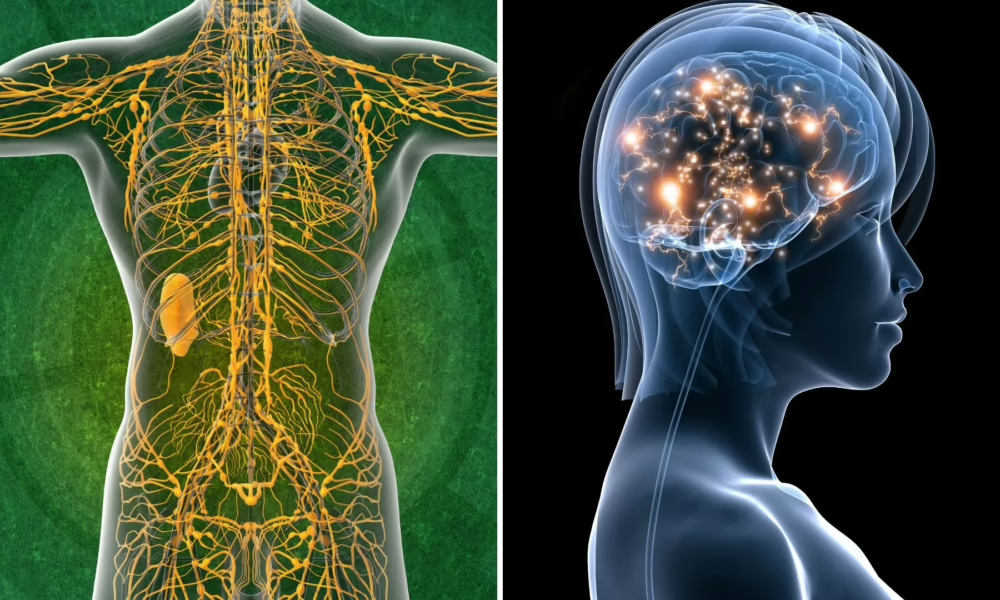
Unlike the heart, the lymphatic system has no pump. It relies on muscle contraction and deep breathing to move lymph fluid, which carries white blood cells and removes toxins.
- Health Hack: Dry brushing, rebounding (jumping on a small trampoline), and contrast showers (hot and cold) are essential for lymphatic drainage.
15.2 The Glymphatic System—The Brain’s Nightly Wash
Discovered recently, the glymphatic system is a waste clearance system for the central nervous system. During deep sleep, the space between brain cells increases, allowing cerebrospinal fluid to wash away amyloid-beta plaques (linked to Alzheimer’s).
- The Takeaway: Missing sleep isn’t just “being tired”; it’s failing to clean your brain.
Chapter 16: Epigenetics—Overriding Your DNA
The emerging field of epigenetics proves that “Genetics loads the gun, but lifestyle pulls the trigger.” You are not a victim of your DNA.
16.1 Methylation and Gene Expression
Through certain behaviors—diet, exercise, and toxin avoidance—you can “silence” bad genes and “activate” good ones. For example, a diet rich in methyl donors (like leafy greens and beets) can help repair DNA and prevent the expression of oncogenes (cancer-causing genes).
Chapter 17: The Impact of Light on Human Biology
In our modern “indoor” world, we suffer from “Mal-illumination.” Good health and well-being are deeply tied to the photons hitting your retinas.
17.1 Morning Sunlight and Melatonin
Viewing natural sunlight within 30 minutes of waking triggers a cortisol spike (which is good in the morning) and sets a timer for melatonin production 16 hours later.
17.2 The Danger of Blue Light at Night
Artificial blue light from LEDs and smartphones tricks the brain into thinking it is noon. This suppresses melatonin by up to 50%, leading to fragmented sleep and metabolic disruption.
Chapter 18: Psychological Well-being—The Power of Narrative
You cannot be physically healthy if you are mentally “at war” with yourself. Your internal monologue has a direct physiological impact.
18.1 The Placebo and Nocebo Effects
The “Nocebo” effect occurs when a person experiences negative side effects because they expect to. If you tell yourself you are “always sick” or “genetically cursed,” your body will produce the neurochemistry of stress to match that narrative.
18.2 Purpose-Driven Longevity
Studies of “Blue Zones” (areas where people live the longest) show that having a reason to get up in the morning adds years to your life. Whether it’s family, a hobby, or community service, “Purpose” is a biological requirement.
Chapter 19: Environmental Health—The Exposome
The “Exposome” refers to the totality of environmental exposures in a human life. To maintain good health and well-being, we must be mindful of our chemical environment.
19.1 Endocrine Disruptors
Many modern plastics, receipts (BPA), and personal care products contain phthalates and parabens that mimic estrogen. This “hormonal hijacking” can lead to fertility issues and metabolic disorders.
- The Strategy: Transition to glass containers, filter your tap water, and use “clean” personal care products to reduce your toxic load.
Chapter 20: Advanced Nutritional Protocols
Beyond basic calories, we must look at “Nutrient Density” and “Bioavailability.”

20.1 Anti-Nutrients vs. Superfoods
Some “healthy” foods like legumes and grains contain lectins and phytates that can irritate the gut lining in sensitive individuals. Understanding your own “bio-individuality” is key.
20.2 The Role of Magnesium
Magnesium is a cofactor in over 300 enzymatic reactions, including energy production and DNA repair. Due to soil depletion, most people are deficient. Supplementing with magnesium glycinate is often the “missing link” for better sleep and muscle recovery.
Chapter 21: Conclusion—The Sovereign of Your Health
To achieve good health and well-being, you must become the “CEO of your own biology.” Do not outsource your health entirely to others. Monitor your biomarkers, listen to your body’s signals, and treat your physical vessel with the reverence it deserves.
The journey to vitality is a masterclass in self-awareness. It requires the discipline to say “no” to modern conveniences that harm us and the courage to pursue a life of natural alignment. Your body is a self-healing miracle—give it the environment it needs, and it will perform wonders.
Good health and well-being are built through balance—caring for your body, mind, and emotions in ways that feel sustainable, not overwhelming. When small daily choices support both physical vitality and mental peace, overall well-being naturally follows. If this theme resonated, here are a few thoughtful reads that explore holistic health and mindful living:
- How to Create a Balanced Routine for Mental and Physical Health → Practical guidance on aligning movement, rest, and mindfulness for everyday wellness.
- Easy Sustainable Self-Care Tips for a Balanced Life → Simple self-care habits that support long-term health without burnout.
- Boost Your Mood and Mental Health: The Power of Regular Exercise → How gentle, consistent movement improves emotional resilience and overall well-being.
Looking for Words That Support a Healthy, Balanced Life?
Positive Attitude Quotes → An uplifting collection of quotes that encourage balance, optimism, and taking care of yourself—inside and out.
The Positivity Collective
The Positivity Collective is a dedicated group of curators and seekers committed to the art of evidence-based optimism. We believe that perspective is a skill, and our mission is to filter through the noise to bring you the most empowering wisdom for a vibrant life. While we are not clinical professionals, we are lifelong students of human growth, devoted to building this sanctuary for the world.